Writing / Leadership
How to create a culture for creative growth.
Shifting from output metrics to quality and learning to cultivate stronger design outcomes.

Article
Most design teams are measured on speed — time-to-market, throughput, on-time delivery. Those metrics are useful, but they don't capture what makes a design team get better over time. Here's how to build the conditions for that.

Beyond Traditional KPIs: Emphasizing Quality and Problem-Solving
Numbers are easy to track, but a team focused purely on deadlines optimizes for output, not quality. The shift is toward problem-solving as a primary measure — "Did we solve the right thing?" alongside "Did we ship on time?"
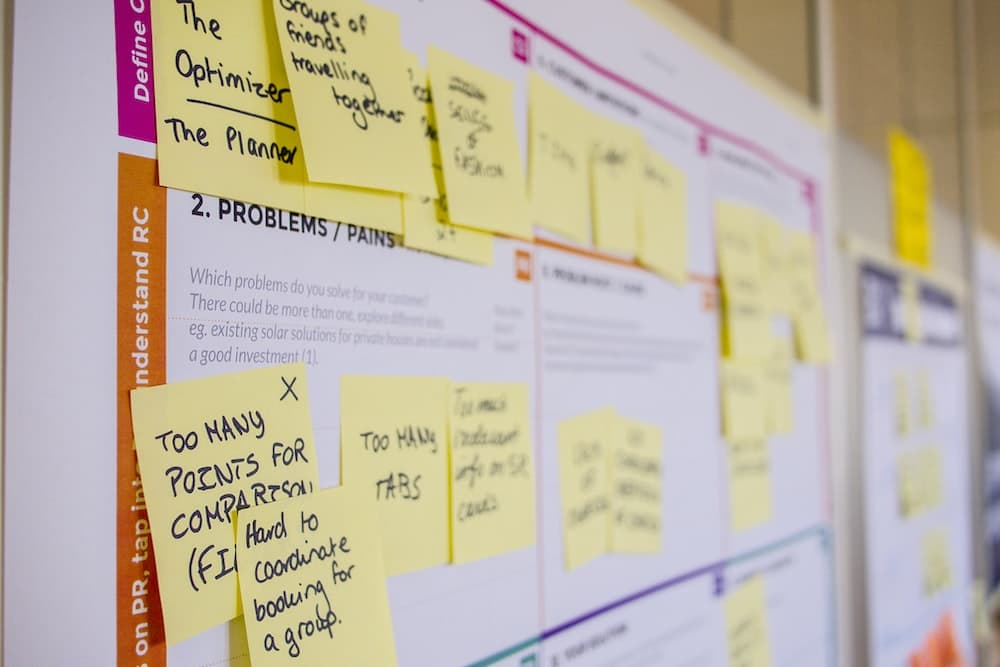
The Right Environment: Prioritizing Upskilling
Learning compounds. Designers who have time and encouragement to develop new skills produce better work over time. Make room for workshops, side experiments, and tool mastery — not as a perk but as part of the practice.

Efficiency and Learning: A Partnership for Long-Term Success
Efficiency isn't just speed. Teams that invest in learning best practices ship faster over time because they make fewer costly mistakes. The short-term cost of learning pays back in quality and consistency.

The Value of Taking a Break: Learn Differently
Practice matters, but blind repetition doesn't. Recognize when a problem needs a fresh angle — a tutorial, a colleague's perspective, or time away from the screen. Knowing when to stop pushing is a skill.

Embracing Healthy Competition: Quality Over Quantity
Quality-driven teams challenge each other to do better work, not more of it. The benchmark should be the best the team has produced before — not just the next deadline.

Shifting from output metrics toward quality and learning doesn't mean abandoning rigor. It means measuring what actually predicts good outcomes — and building the habits that make them repeatable.
Simplifying Design Pricing: Choosing the Right Framework.
A practical breakdown of common pricing models and how to evolve them as your practice grows.

The Untapped Value of Early Design Ideas.
Why first ideas matter and a framework to help them reach production.

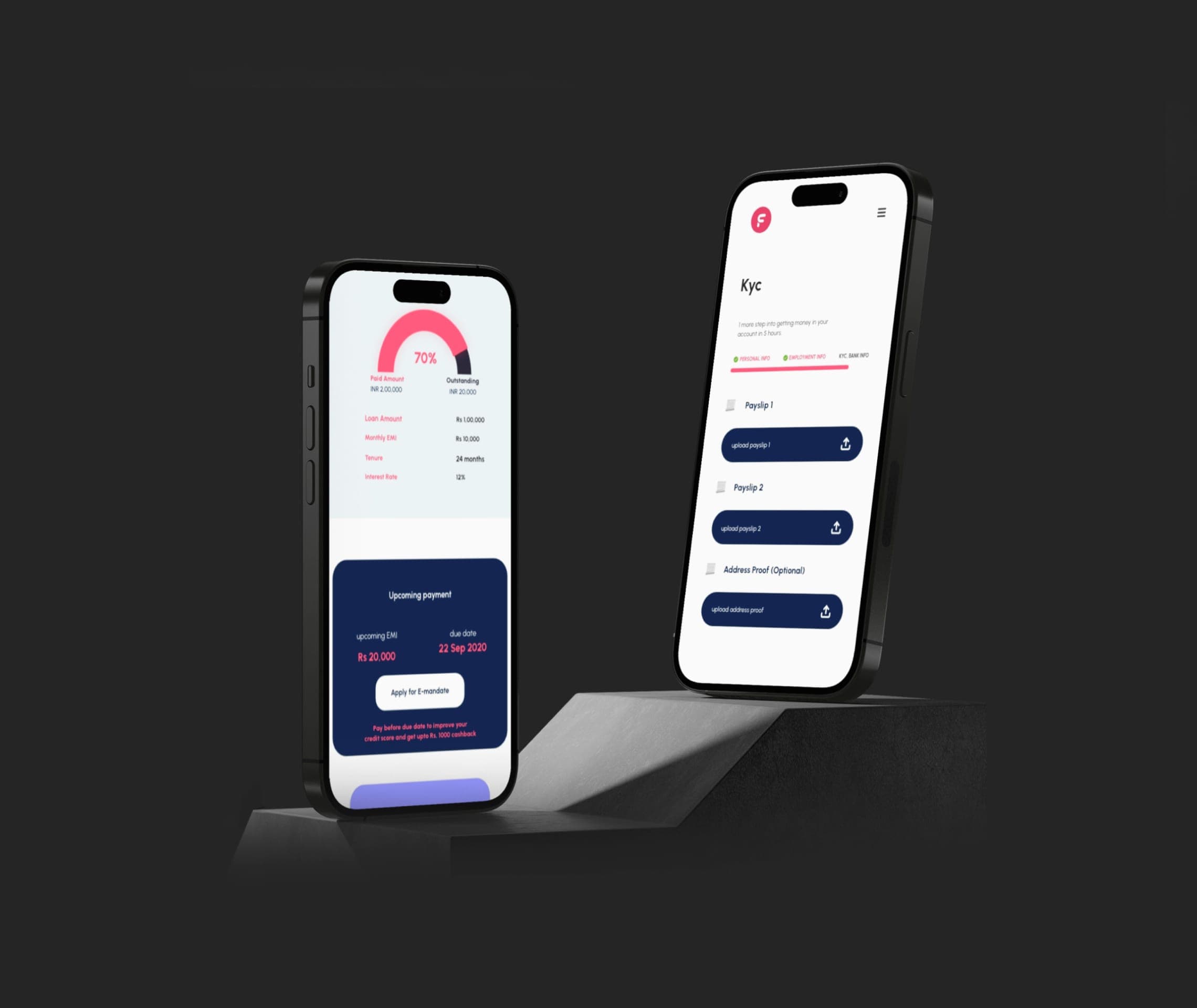
Finnable.
Reframed a loan application journey around trust, clarity, and fewer moments of hesitation.
Insane AI.
Rebuilt a motion-led fitness product foundation around brand, feedback, and repeat engagement.