Writing / Business Of Design
Simplifying Design Pricing: Choosing the Right Framework.
A practical breakdown of common pricing models and how to evolve them as your practice grows.

Article
Pricing is one of the least-discussed parts of design practice. Most designers start by charging what feels fair and adjust from there — but there's a more structured way to think about it.
The "Value-Based" Illusion
Value-based pricing is the most recommended model, and among the hardest to apply. It works well when you have a recognizable track record — clients who understand the ROI a strong design will generate. Without that, it's hard to defend. For most designers early in their career, a cost-based model is more practical, with value built in as credibility grows.

Understanding the Basics
Alright, let's break it down. At its core, there are three common pricing models:
1. **Cost-Plus Pricing**: This involves determining the cost of a project and adding a profit margin. Simple, right? E.g., If your design cost is $100 and you decide on a 20% profit margin, you'd charge $120. 2. **Value-Based Pricing**: Here, you charge based on the perceived value of your design to a client. For instance, if your design can potentially earn a company an extra $10,000, you might charge a percentage of that amount. 3. **Competitive Pricing**: This is where you research what your competitors are charging and base your rates accordingly.
Crafting Your Pricing Model
Starting out? It's advisable to go with the basics - the **Cost-Plus Pricing** model. It's transparent, easy to explain, and straightforward to calculate. Let's formulate it:
_Short Formula:_ **Total Price = Cost + (Cost x Profit Margin %)**
Now, let's add more complexity!
Adding Value to the Mix
As you gain experience, you'll want to reflect the value you bring to a project. But how do you calculate that?
Ask yourself, "What percentage of added value do I bring to this project?" This could be based on your unique skills, your style, or the ROI your designs have brought to past clients. Introduce this "Value Percentage" into your formula.
_Extended Formula:_ **Total Price = Cost + (Cost x Profit Margin %) + (Cost x Value Percentage %)**
Diving into Geographical Research
Next up, understanding your market is crucial. You don't want to be the most expensive designer in a cost-sensitive market, nor do you want to undersell in a market ready to pay top dollar.
Research what designers in your area or niche charge. This gives you a market baseline for **Competitive Pricing** and helps you position without underselling.

Factoring in the Extras
Don't forget about those hidden or overlooked costs. They can quickly add up!
- **Expenses**: Do you need to buy software, licenses, or stock images? - **Costs**: Think of internet charges, electricity, and other utilities. - **Commissions**: Are you paying a percentage to platforms or agents? - **Warehouses**: For physical products, storage costs can be significant. - **Phase-wise Breakdowns**: Sometimes, breaking down the project into phases and pricing each can simplify things for you and the client.

How to create a culture for creative growth.
Shifting from output metrics to quality and learning to cultivate stronger design outcomes.

The Untapped Value of Early Design Ideas.
Why first ideas matter and a framework to help them reach production.

Finnable.
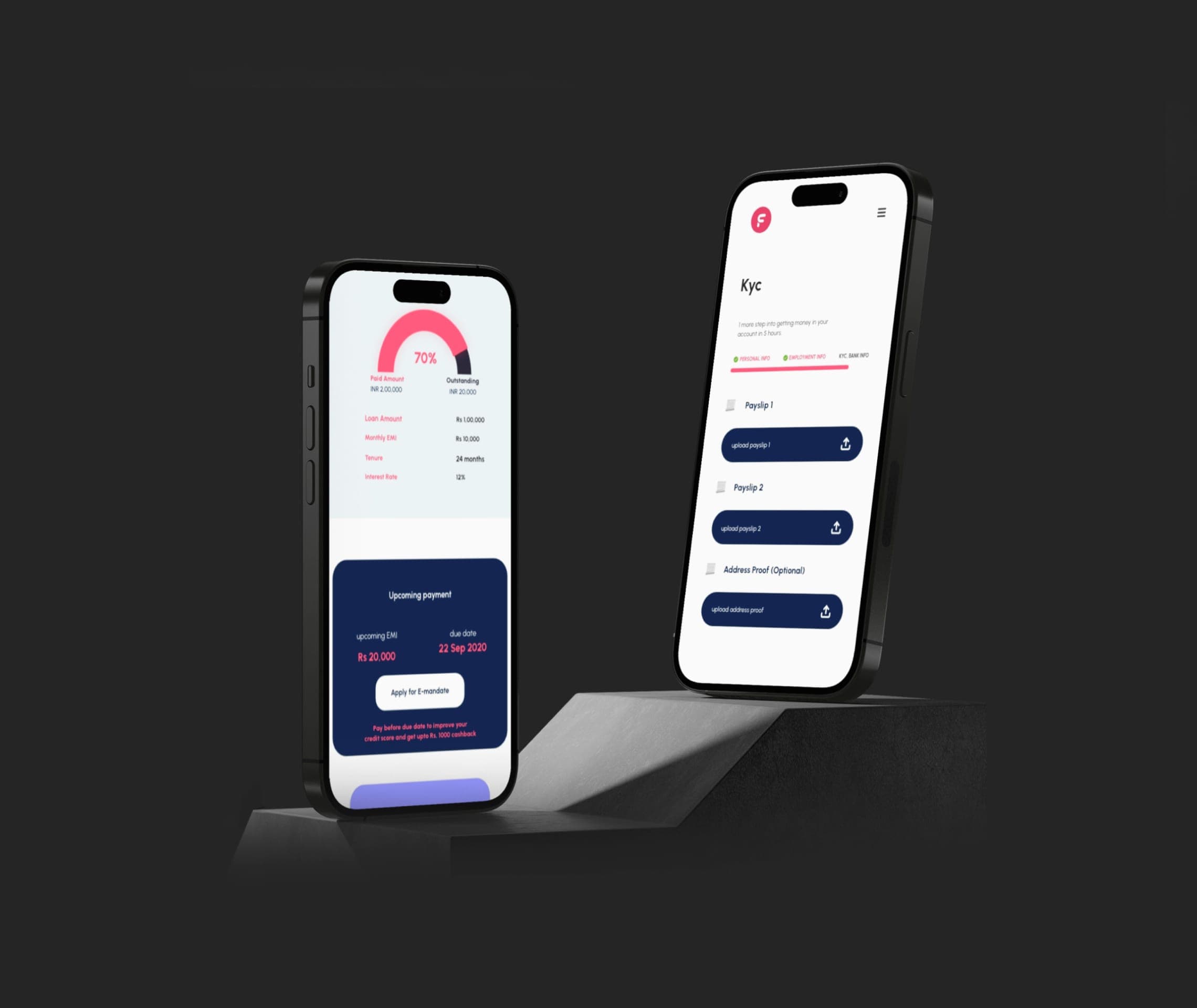
Reframed a loan application journey around trust, clarity, and fewer moments of hesitation.
Insane AI.
Rebuilt a motion-led fitness product foundation around brand, feedback, and repeat engagement.