Writing / Product
The Untapped Value of Early Design Ideas.
Why first ideas matter and a framework to help them reach production.

Article
Early ideas are undervalued. The first sketch, the rough concept, the thought before you opened Figma — these often carry more signal than anything produced after three rounds of iteration. Here's why they matter, and a framework to carry them through to production.
The Power of First Ideas
Intuition says your first idea is rough. That's often true in surface detail, but not in direction. First ideas carry unfiltered intent — they haven't been smoothed by process or shaped by committee. The unconscious work that produces them has usually been running far longer than you think.

The Evolution of Ideas
Ideas build on everything you've absorbed — observations, failures, half-finished projects. What feels like a sudden insight is usually the visible tip of a long process. Trust that.
Navigating the Design Maze
Deep in a project, detail accumulates and the original clarity fades. Keep a record of your first framing — the problem in one sentence, the original intent — and return to it when direction feels lost.
Harnessing Expertise
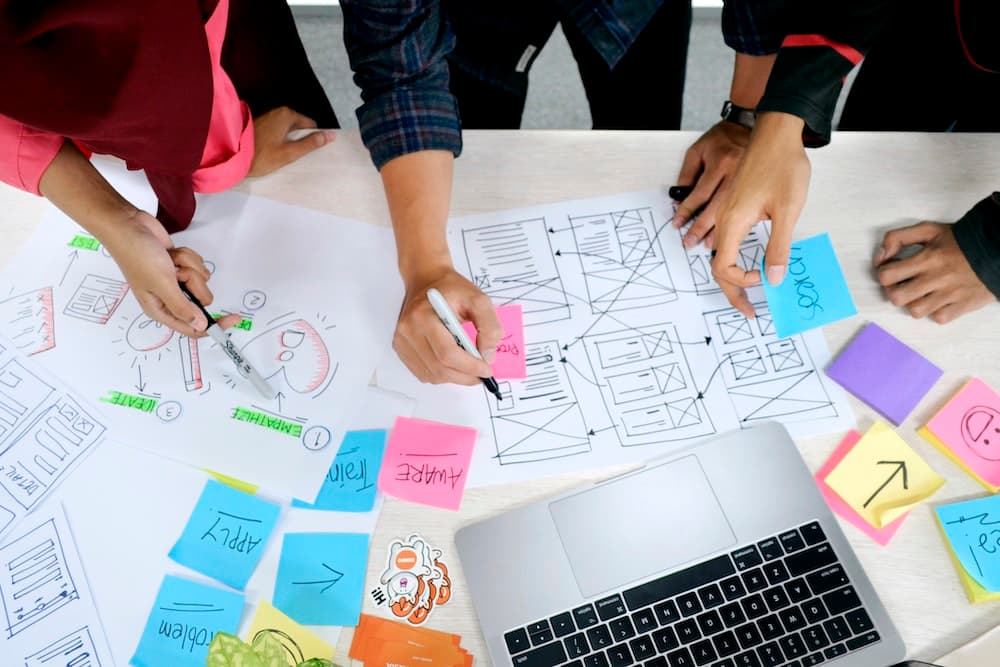
Share early. Subject matter experts and colleagues see angles you can't from inside the problem. Their input at the idea stage is cheaper than feedback after you've built.
Ideation Over Perfection
In early stages, focus on range over resolution. Get many directions out before committing to any. Detail comes later — it shouldn't arrive before the concept is settled.
From Idea to Prototype
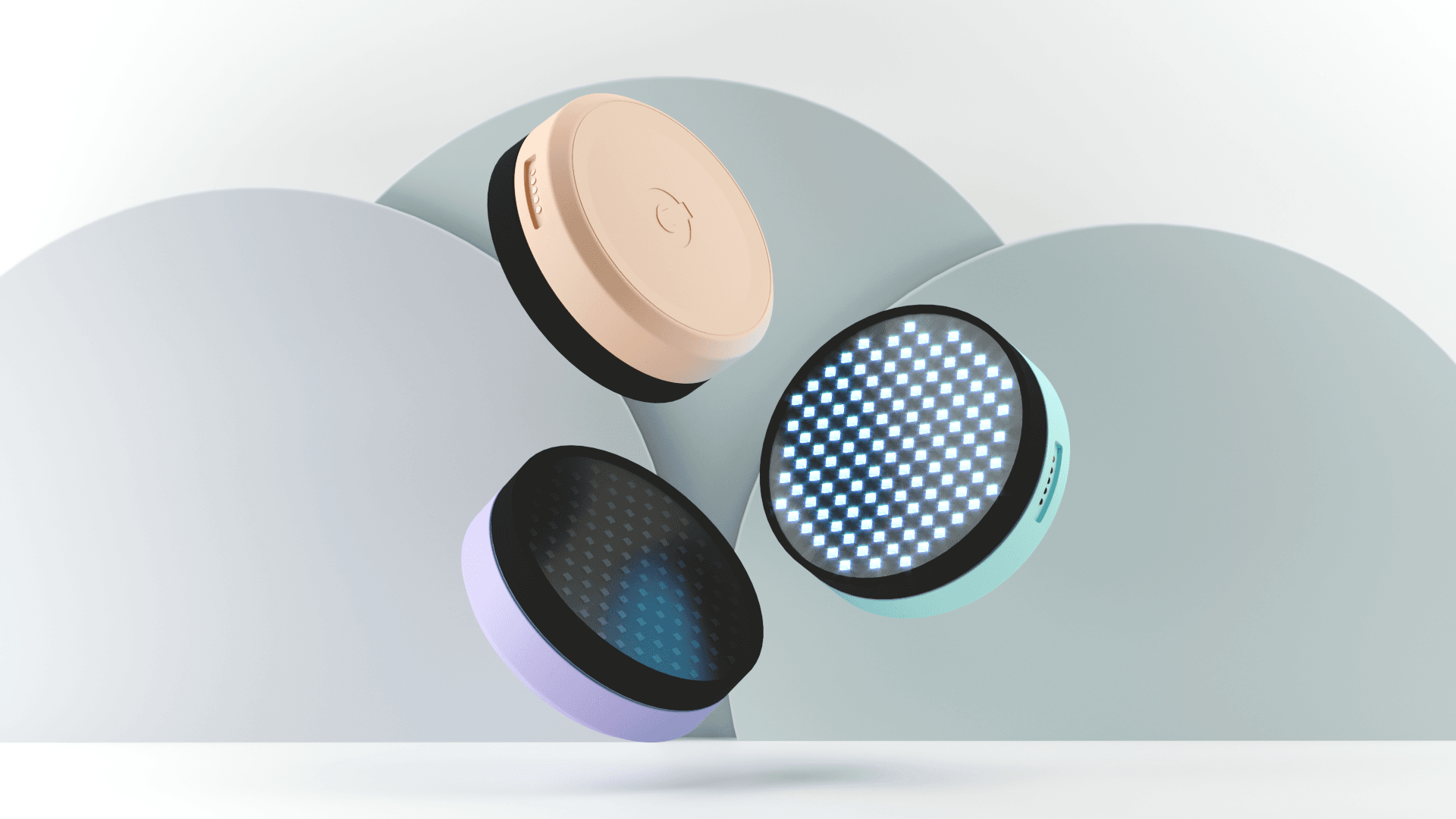
Visualise, render, and prototype. It's one thing to have an idea and another to see it tangibly. By creating a quick prototype, you can identify potential pitfalls, understand user interactions, and refine the design further.
The Art of Pitching
Good ideas still need to be communicated. Design that can't be explained clearly is harder to build, fund, and trust. Practice presenting with confidence before you've polished everything.
Framework to Actualise Your Design Ideas
1. **Acknowledge:** Recognise and document every idea, no matter how trivial it seems. 2. **Research:** Dive deep into understanding the problem space and potential solutions. 3. **Collaborate:** Engage with experts and peers to refine and validate your idea. 4. **Prototype:** Create a tangible representation of your design. 5. **Test:** Gather feedback and iterate based on real user interactions. 6. **Pitch:** Sell your idea with passion and clarity. 7. **Implement:** Transform your idea into a finished product.
How to create a culture for creative growth.
Shifting from output metrics to quality and learning to cultivate stronger design outcomes.
Simplifying Design Pricing: Choosing the Right Framework.
A practical breakdown of common pricing models and how to evolve them as your practice grows.
Finnable.
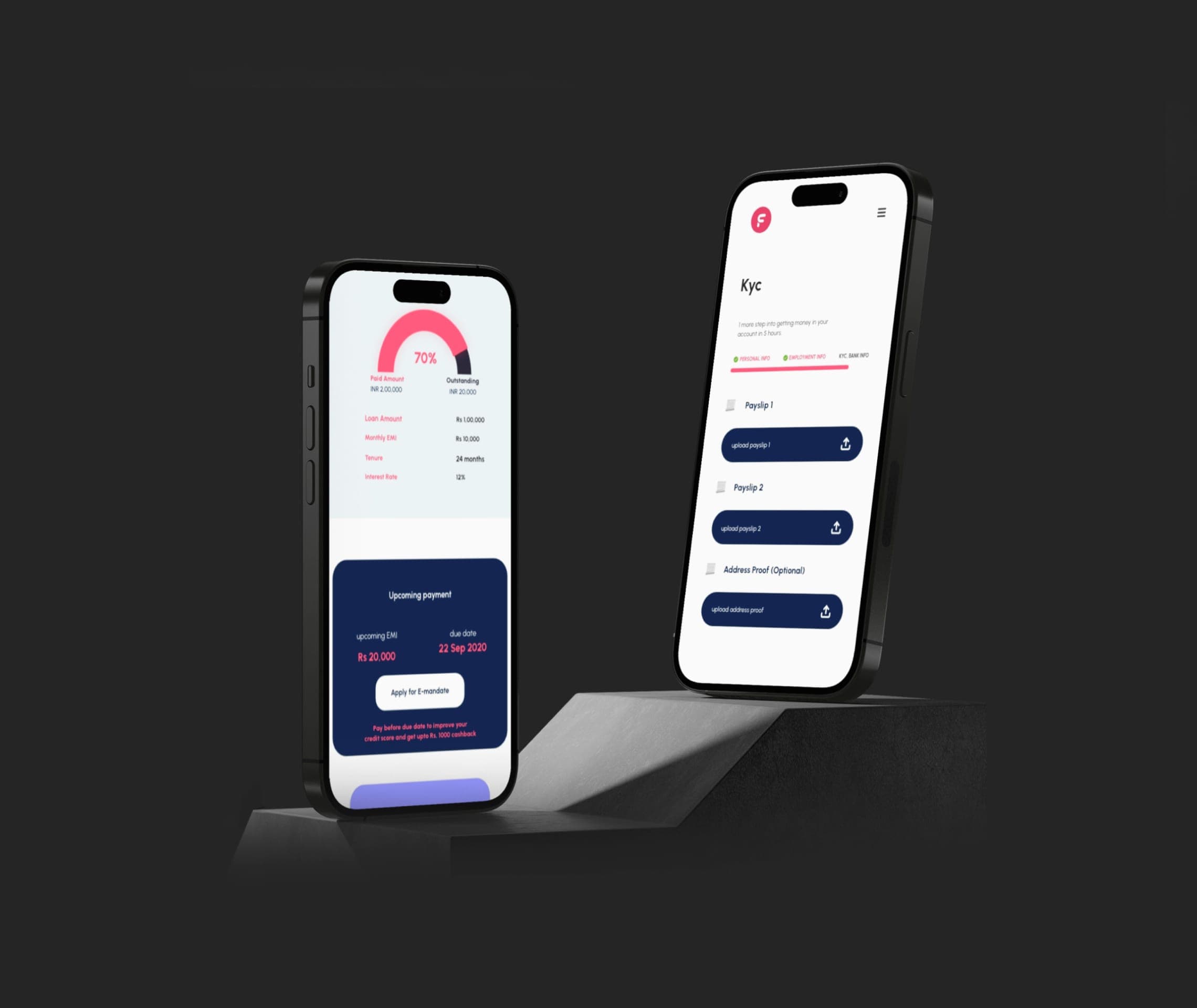
Reframed a loan application journey around trust, clarity, and fewer moments of hesitation.
Insane AI.
Rebuilt a motion-led fitness product foundation around brand, feedback, and repeat engagement.